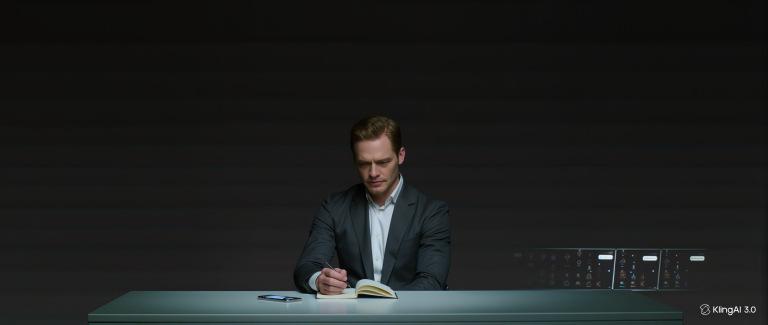
You finish work and you still can’t switch off. Your jaw is tight. Your shoulders are up around your ears. Your mind is already running through tomorrow’s problems before today has ended.
You tell yourself you’ll relax later. But later never really comes.
This is chronic stress — and it’s not a personality trait, a sign of weakness, or just “how life is.” It’s a physiological state your body is stuck in. And the longer it stays there, the more damage it does — to your hormones, your sleep, your focus, your relationships, and your long-term health.
If you want to know how to reduce stress naturally, the answer isn’t a holiday or a spa weekend. It’s understanding the system that’s stuck — and giving it the daily inputs it needs to reset.
What Chronic Stress Actually Is (And Why It Won’t Just Go Away)
Your nervous system has two primary operating modes.
The first is sympathetic — fight or flight. This is your stress response. Heart rate up, muscles primed, digestion paused, attention narrowed. It’s designed for short bursts of threat response. Deal with the danger. Survive. Then recover.
The second is parasympathetic — rest and digest. This is your recovery mode. Heart rate drops, digestion resumes, hormones reset, tissue repairs. This is where healing happens. Where testosterone is produced. Where memories consolidate. Where your body regenerates.
The problem with modern life is that it was built for the sympathetic state — and it never lets you leave it.
Deadlines, notifications, financial pressure, traffic, news cycles, social media, poor sleep, overtraining — each one is a small stressor. Individually manageable. But stacked together, running continuously with no real recovery window, they keep your nervous system locked in a permanent low-grade emergency state.
Your body was designed to stress and recover. Not to stress indefinitely. When recovery never comes, the system starts to break down (American Institute of Stress).
What Chronic Stress Does to Your Body
This is not abstract. Chronic stress produces measurable, physical damage.
Cortisol — your primary stress hormone — is essential in short bursts. But chronically elevated cortisol suppresses testosterone, disrupts sleep, impairs immune function, accelerates fat storage (particularly around the abdomen), degrades muscle tissue, and impairs memory and decision-making.
You don’t need a blood test to know your cortisol is chronically high. The signs are everywhere: poor sleep despite exhaustion, belly fat that won’t shift despite training, low libido, brain fog, irritability, slow recovery from workouts, getting sick frequently.
This is your body under a stress load it was never designed to sustain. The fix is not just removing stressors — it’s actively and daily rebuilding recovery capacity.
Solution #1: Use Your Breath to Reset Your Nervous System
This is the fastest, most evidence-backed tool for stress reduction available — and most men never use it deliberately.
Your breath is the only autonomic function you can consciously control. And because breathing is directly connected to your nervous system state, you can use it to shift out of sympathetic overdrive and into parasympathetic recovery — within minutes.
The mechanism is simple: slow, extended exhales activate the vagus nerve, which is the primary pathway of your parasympathetic nervous system. The longer and slower your exhale relative to your inhale, the stronger the calming signal sent to your brain (Frontiers in Human Neuroscience).
What to do:
Physiological sigh — the fastest reset available:
- Double inhale through the nose (short inhale, then a second sharp inhale on top)
- Long, slow exhale through the mouth
- Repeat 3–5 times
- This deflates the air sacs in your lungs, rapidly offloads CO2, and immediately shifts your nervous system state
Box breathing — for sustained calm:
- Inhale for 4 counts
- Hold for 4 counts
- Exhale for 4 counts
- Hold for 4 counts
- Repeat for 4–5 minutes
Use these as transitions — between work and home, before stressful meetings, when you feel your jaw tighten, before sleep. You don’t need a meditation app. You need 3 minutes and your own breath.
Solution #2: Reduce the Stimulation Load
You cannot recover from stress if you’re continuously feeding your nervous system new stimulation.
Most men believe they’re resting when they’re scrolling, watching content, or half-working while consuming news. They’re not. Passive consumption of high-stimulation content keeps your nervous system in a mild sympathetic state — even when you’re lying on a couch. You feel tired but wired. You can’t truly relax because your brain is still processing input.
Real recovery requires real downregulation. That means genuine low-stimulation time — not just switching from one screen to another.
What to do:
- Build one 20–30 minute screen-free window into every day — ideally mid-afternoon or after work
- Stop consuming news and social media within 2 hours of bed. These are specifically designed to keep your nervous system activated
- Replace one evening screen session per week with something genuinely restorative: a walk, reading a physical book, a quiet conversation
- Audit your daily stimulation inputs. Every notification is a small stress activation. Turn off non-essential notifications entirely — not on silent, off
Less input means more genuine recovery. Silence is not empty. It’s where your nervous system heals.
Solution #3: Move to Recover — Not Just to Perform
Exercise is one of the most powerful stress-reduction tools you have. But the type of movement matters enormously.
High-intensity training is valuable. But for men already under chronic stress, adding more intense training without adequate recovery doesn’t reduce stress — it compounds it. Intense exercise spikes cortisol. If cortisol is already chronically elevated, you’re pouring fuel on a fire.
Low-intensity movement, on the other hand, actively drives parasympathetic activity. Walking in particular — especially outdoors — is one of the most consistent, evidence-backed interventions for reducing cortisol, improving mood, and restoring nervous system balance (Mental Health and Physical Activity Journal).
What to do:
- Walk 20–30 minutes every day — outdoors, without headphones if possible. Let your mind wander. This is active recovery, not wasted time
- If you’re training hard and feeling chronically stressed, reduce intensity temporarily and increase walking. Your recovery will improve and your performance will follow
- Add light stretching or mobility work in the evening — 10 minutes of slow movement before bed accelerates nervous system downregulation
- Train hard when you’re recovered. Recover hard when you’re not. Stop forcing intensity on a depleted system
Movement is medicine. But the dose has to match the condition.
Solution #4: Protect Your Sleep Like a Stress Management Tool
Sleep is not a passive byproduct of low stress. It is one of the primary mechanisms through which stress is processed and cleared.
During deep sleep, your brain clears cortisol and stress-related metabolic waste. Your nervous system resets. Your hormones rebalance. Every night of good sleep is a full system recovery cycle. Every night of poor sleep sends you into the next day with yesterday’s stress load still present — plus a new day’s worth stacking on top.
This is how men end up feeling like they’re drowning. Not from one bad day. From months of incomplete recovery.
What to do:
- Treat sleep as a non-negotiable performance input — not a luxury
- Create a genuine wind-down routine starting 60–90 minutes before bed: dim lights, no screens, low stimulation
- Keep your room cool, dark, and quiet — your nervous system recovers best in these conditions
- Avoid alcohol in the evening. It feels like it reduces stress but it suppresses deep sleep, which is where stress recovery actually happens
- If your mind races at night, use box breathing or journaling to offload mental load before lying down
Fix your sleep and you fix your stress recovery. It’s not separate — it’s the same system.
Solution #5: Build a Daily Stress Budget
This is the mindset shift that changes everything.
Most men manage stress reactively — they wait until they’re overwhelmed, then try to cope. This never works long-term because by the time you’re overwhelmed, your recovery capacity is already depleted.
The men who manage stress best do it proactively. They treat recovery like training — scheduled, deliberate, and non-negotiable. They understand that every day has a finite stress budget. Spend it wisely, recover from it fully, and you stay functional. Overspend it consistently without recovery, and the system collapses.
What to do:
- Identify your daily stress inputs honestly: work pressure, commute, training load, sleep debt, relationship tension, financial worry, digital consumption. Add them up
- Match your recovery inputs to your stress load: sleep quality, movement, breathing, nutrition, social connection, downtime
- If your stress inputs consistently exceed your recovery outputs, your system is running a deficit — and deficits accumulate
- Learn to say no to commitments that don’t serve you. Every yes to something draining is a no to your own recovery
You cannot eliminate stress. But you can build a system that absorbs it.
Common Mistakes Men Make When Trying to Manage Stress
Waiting for the weekend to recover. Five days of accumulated stress cannot be undone in two days. Recovery needs to happen daily — not as a weekly event.
Using alcohol to decompress. Alcohol provides a temporary numbing of stress perception. It does not process or clear stress. The cortisol is still there the next morning — plus disrupted sleep adds to it.
Training harder when stressed. When your body is under chronic stress, more intense training is more cortisol. More cortisol is more stress. Know when to push and when to pull back.
Ignoring the body and managing only the mind. Stress is physiological, not just psychological. You cannot think your way out of a nervous system stuck in fight-or-flight. You need physical interventions: breath, movement, sleep, cold exposure, nutrition.
Consuming stress content as a coping mechanism. Scrolling through news or social media to “switch off” after a stressful day is the equivalent of treating a headache by hitting your head against a different wall.
Your Daily Stress Reduction Protocol
Morning:
- Wake at a consistent time — irregular sleep worsens cortisol dysregulation
- No phone for the first 30 minutes — start the day in your own mental space
- Get outside for natural light within 30 minutes — anchors cortisol rhythm for the whole day
- 5 minutes of box breathing or physiological sighing before your day begins
Throughout the day:
- Notifications off — check communication intentionally, not reactively
- Build one genuine screen-free, low-stimulation break into your day
- Use breathing resets between high-stress tasks or meetings
- Walk after lunch — even 10 minutes actively lowers cortisol and prevents the afternoon stress build-up
After work:
- Create a hard transition between work and personal time — a walk, a workout, a breathing practice. Something that signals to your nervous system that the threat is over
- No news or social media within 2 hours of bed
- Eat a balanced evening meal — blood sugar instability worsens evening anxiety and cortisol spikes
Evening:
- Dim lights after 8pm
- 10 minutes of light stretching or slow movement
- Screens off 60 minutes before sleep
- Box breathing or journaling if the mind is active
- In bed at a consistent time — your nervous system resets on schedule, not on demand
Apply this for two weeks. The shift in your baseline stress level will be significant.
Where Natural Supplementation Fits In
Once your daily recovery structure is in place, targeted natural supplementation can support your nervous system further.
Ashwagandha is one of the most well-researched natural compounds for cortisol reduction and stress resilience — with consistent evidence showing measurable reductions in cortisol levels with regular use. Magnesium glycinate supports nervous system regulation and is commonly deficient in men under chronic stress. L-theanine promotes calm alertness without sedation — particularly useful during high-pressure periods. Rhodiola rosea supports the body’s adaptive response to stress and reduces mental fatigue under load.
These compounds don’t eliminate stress. They support a nervous system that’s actively being managed through good habits.
At Halixera, we formulate for men who want clean, evidence-informed stress support. Explore our range when your foundation is built.
Final Word
Chronic stress is not a character flaw and it is not permanent. It is a physiological imbalance between input and recovery — and it responds directly to the right daily habits.
You don’t need to eliminate pressure from your life. You need to build a system that processes it daily rather than letting it accumulate.
Breathe deliberately. Move consistently. Sleep protectively. Reduce stimulation. Recover on schedule.
The tension in your shoulders, the racing mind at night, the inability to switch off — these are not fixed features of your life. They are signals from a system that needs recovery inputs it isn’t getting.
Give it what it needs. Start today.