Why Morning Sunlight Is One of the Most Powerful Biohacks for Energy and Hormone Balance
You’ve tried the supplements. You’ve optimized the diet. You’ve adjusted the training. And yet something still feels off — the energy isn’t where it should be, the sleep isn’t deep enough, and the mornings still feel like a battle.
Most men never consider that the missing variable isn’t a product, a protocol, or a performance stack. It’s something that has existed for the entire history of human biology — and that most modern men are almost completely deprived of.
Morning sunlight.
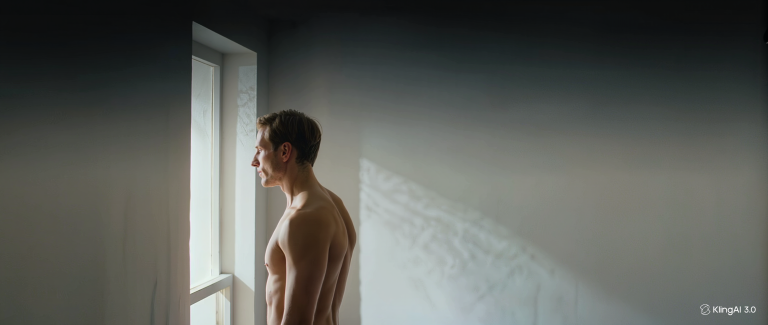
Not sunbathing. Not a tanning bed. Not a vitamin D capsule. Actual, direct, outdoor morning light — hitting your eyes and your skin within the first hour of waking. This single input, taken consistently, has the power to improve your energy levels, regulate your sleep hormones, support testosterone production, and anchor your entire hormonal system into its correct daily rhythm.
The morning sunlight benefits are not subtle. And once you understand why, you’ll never walk past a window again without thinking differently about what you’re missing.
Your Body Runs on Light — Not a Clock
Most people think the circadian rhythm is just about sleep. It isn’t.
Your circadian rhythm is the master timing system that governs virtually every biological process in your body — hormone production, metabolism, immune function, body temperature, cellular repair, cognitive performance, and mood. Every system in your body runs on a 24-hour schedule. And that schedule is set, synchronized, and maintained by one primary input: light.
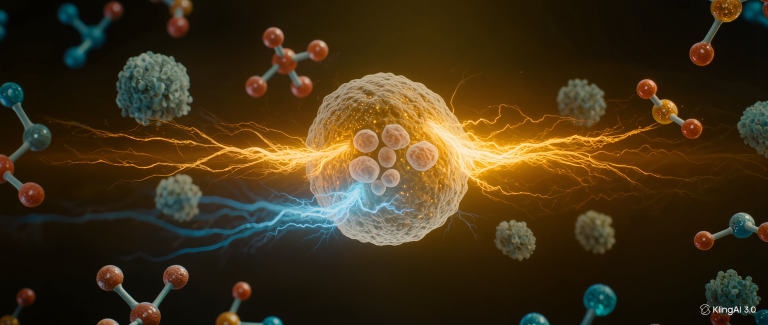
Specifically, the light-sensitive cells in your retinas — called intrinsically photosensitive retinal ganglion cells — detect the wavelength and intensity of light entering your eyes and relay that information directly to the suprachiasmatic nucleus (SCN) in your brain. The SCN is your master circadian clock. It uses light data to time the release of every major hormone in your body (Nature Reviews Neuroscience — Circadian Photoreception).
When you get bright light in the morning, you send a clear signal: it’s day, it’s early, begin the hormonal cascade. Cortisol peaks appropriately. Melatonin production shuts off cleanly. Testosterone follows its correct diurnal rhythm. Metabolism activates. Alertness rises naturally.
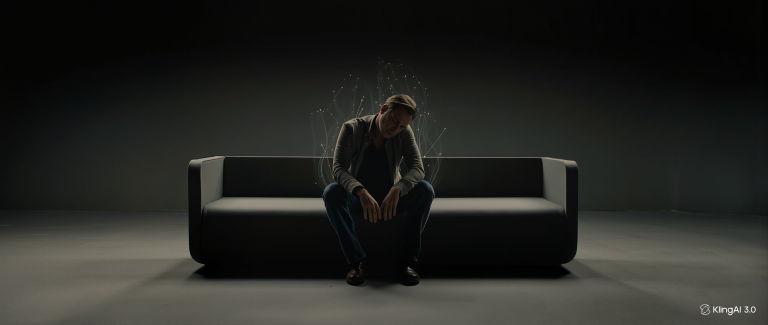
When you don’t — when you spend your morning in dim indoor lighting, staring at artificial screens — your SCN receives a weak, ambiguous signal. The hormonal cascade misfires. Everything runs slightly out of sync. And that slight desynchronization, accumulated daily, produces exactly the symptoms most men attribute to stress, aging, or overwork: low energy, poor sleep, flat mood, hormonal disruption.
You are a biological organism designed to synchronize with the sun. Deprive yourself of that synchronization and your system drifts.
How Morning Sunlight Directly Affects Your Energy
The mechanism here is precise and worth understanding.
Within minutes of bright light hitting your retinas in the morning, your brain triggers the cortisol awakening response — a natural, healthy spike in cortisol that serves as your biological alarm clock. This is the cortisol you want. It sharpens alertness, mobilizes energy stores, increases motivation, and prepares your body for the demands of the day.
Without adequate morning light, this cortisol spike is blunted. You wake up feeling flat, unmotivated, and slow to start — not because you’re lazy, but because your brain didn’t receive the signal it needed to fire the systems responsible for morning energy.
Simultaneously, morning light exposure sets the timing of your dopamine system. Dopamine — the neurotransmitter most directly linked to motivation, drive, and the desire to take action — has a diurnal rhythm that is heavily influenced by light exposure. Men who get consistent morning light report higher baseline motivation, better mood, and more sustained drive throughout the day. This is not placebo. It is photobiology (Trends in Neurosciences — Dopamine and Circadian Light).
Morning light is not just pleasant. It is the ignition switch for your energy system.
How Sunlight Regulates Melatonin and Sleep Quality
This is the connection most men completely miss — and it’s arguably the most important one.
Your sleep quality tonight is determined in large part by what you do with light this morning.
Melatonin — the hormone that initiates sleep — is suppressed by light and produced in darkness. When you get bright light in the morning, you send a clean, powerful signal that suppresses any residual melatonin and resets the timer. Your brain now knows precisely when “morning” was. And approximately 12–14 hours later, it will begin producing melatonin again — naturally, on schedule, at the right time.
This is why consistent morning light exposure is one of the most reliable ways to improve sleep onset, sleep depth, and sleep consistency. You’re not taking a sleeping pill at night. You’re setting the biological clock in the morning that determines when sleep is triggered.
Men who get regular morning sunlight fall asleep faster, spend more time in deep and REM sleep, and wake feeling more restored — not because they changed anything about their night routine, but because they fixed the morning input that governs the entire cycle (Journal of Biological Rhythms — Light and Sleep Timing).
If your sleep is broken, look at your mornings before you look at your nights.
Morning Sunlight, Testosterone, and Metabolic Health
The relationship between sunlight and testosterone is real — and operating through multiple pathways.
The most direct is vitamin D. Sunlight triggers the synthesis of vitamin D3 in the skin through UV-B radiation. Vitamin D3 functions as a steroid hormone precursor and is directly involved in testosterone synthesis in the Leydig cells of the testes. Men with adequate vitamin D levels consistently show higher testosterone than men who are deficient — and deficiency is endemic in men who spend most of their time indoors.
Supplemental vitamin D3 helps. But sunlight-derived vitamin D is produced in a more biologically integrated way — your skin regulates production based on what your body actually needs, providing a more nuanced hormonal input than a capsule can replicate.
Beyond vitamin D, the circadian regulation that morning light provides has downstream effects on testosterone production directly. Testosterone follows a diurnal rhythm — it peaks in the morning and declines through the day. That rhythm is governed by the same circadian system that morning light anchors. When your circadian rhythm is disrupted, your testosterone rhythm is disrupted with it. Chronic circadian misalignment — common in men with poor light habits — is associated with measurably lower testosterone, reduced libido, and impaired anabolic signaling.
Additionally, morning light improves insulin sensitivity and metabolic rate — both of which influence body composition, energy availability, and hormonal health. Men with better circadian alignment show more efficient glucose metabolism, lower inflammatory markers, and healthier body composition profiles — even when diet and exercise are held constant.
Light is a metabolic input. Treat it like one.
Why Indoor Life Is Breaking Your Rhythm
Understanding the scale of the problem requires a comparison most men have never considered.
On a bright, clear day, outdoor light intensity reaches 50,000–100,000 lux. On an overcast day, it’s still 10,000–25,000 lux. Your average indoor office or home environment? 100–500 lux. Artificial lighting — even bright indoor lighting — delivers roughly 1–5% of the light intensity your biology was designed to receive.
This means most men are operating their circadian system on a signal strength equivalent to a phone with 2% battery. The system is running, but barely. And the hormonal consequences accumulate silently across weeks, months, and years.
Add to this the inverse problem: bright artificial light at night — from phones, TVs, and overhead lighting — sends a “daytime” signal to your brain when it should be receiving darkness. Your melatonin production is suppressed. Your cortisol doesn’t drop properly. Your sleep is delayed and degraded.
Modern indoor life has inverted the light environment your biology requires — bright in the morning has been replaced by dim, and dark at night has been replaced by bright. The result is a chronically dysregulated circadian system producing exactly the symptoms that define modern men: low energy, poor sleep, hormonal imbalance, low motivation, and metabolic dysfunction.
The fix is not complicated. But it requires deliberate action.
Practical Guide: How to Use Morning Sunlight Effectively
When to Get Outside
The optimal window for morning light exposure is within 30–60 minutes of waking. This is when your retinas are most sensitive to the light signal, when the cortisol awakening response is still active, and when the circadian signal has the greatest impact on your hormonal timing for the rest of the day.
The earlier in the morning you get outside, the more potent the signal — both because your retinal sensitivity is highest and because earlier light exposure sets a longer, more stable circadian anchor for the day.
How Long to Stay Outside
On a bright, sunny day: 5–10 minutes is sufficient for the retinal light signal. 20–30 minutes to meaningfully support vitamin D synthesis (with skin exposed).
On an overcast or cloudy day: 15–20 minutes minimum for the circadian signal, as light intensity is lower. Vitamin D synthesis is minimal on heavily overcast days — supplement accordingly.
In winter at high latitudes: 20–30 minutes outside, even in low-angle winter light, still delivers circadian benefits. The light intensity may be lower but it is still significantly higher than indoor lighting. A 10,000 lux light therapy lamp used within 30 minutes of waking is a legitimate and well-researched substitute for days when outdoor light is unavailable.
What to Do Outside
Walk. This is the ideal combination — morning light plus low-intensity movement produces a compounding effect on cortisol regulation, dopamine, and circadian anchoring that neither delivers alone.
Don’t wear sunglasses during this window. The light needs to reach your retinas directly. Prescription glasses and contact lenses are fine — they don’t block the relevant wavelengths meaningfully.
Don’t look directly at the sun. You’re not trying to stare at it — simply being outside with your eyes open and your face generally oriented toward the sky is sufficient.
Leave your phone behind, or at minimum, don’t use it. These 15–20 minutes of unstructured, screen-free outdoor time are one of the highest-value windows in your entire day. Protect them.
If You Live in a Dark or Cold Climate
This is the most common objection — and the most solvable one.
Get outside anyway. Even on overcast winter days in northern Europe or Canada, outdoor light is dramatically stronger than indoor light. Dress appropriately and make it non-negotiable.
Invest in a 10,000 lux SAD lamp. Position it within 30–60cm of your face during your morning routine — while eating breakfast, drinking coffee, or journaling. Use it within 30 minutes of waking for 20–30 minutes. This is a well-established intervention with strong evidence for circadian regulation, mood, and energy — particularly in men dealing with seasonal energy drops.
Supplement vitamin D3 year-round if you live above 40 degrees latitude or spend most of your time indoors. 2,000–5,000 IU daily with a fat-containing meal covers most deficiencies. Get your levels tested annually if possible — optimal levels are 50–70 ng/mL, not just “within normal range.”
Your Simple Morning Sunlight Routine
This is the minimum effective version. It takes 15–20 minutes and requires nothing except stepping outside.
Within 30 minutes of waking:
- Do not check your phone first
- Put on shoes and step outside
- Walk slowly or stand — face generally toward the sky, eyes open
- No sunglasses
- 10–20 minutes depending on cloud cover
- Combine with a short walk for compounding benefits
If outdoor access is limited:
- Position a 10,000 lux light therapy lamp at your breakfast table
- Use it within 30 minutes of waking for 20–30 minutes
- Keep it at eye level, 30–60cm away — you don’t need to stare at it directly
Year-round support:
- Supplement vitamin D3 (2,000–5,000 IU daily with food)
- Pair with vitamin K2 for optimal calcium and hormone metabolism
- Avoid bright overhead lighting and screens within 2 hours of bed — protect the darkness as much as you protect the morning light
That’s the entire system. No equipment required. No cost. No complexity.
Where Supplementation Supports What Sunlight Starts
Morning light sets the hormonal rhythm. Targeted supplementation can support the systems that rhythm governs.
Vitamin D3 with K2 covers the days you can’t get adequate sun exposure and supports the hormonal functions that UV-B synthesis drives. Magnesium glycinate taken at night works synergistically with a well-anchored circadian rhythm to deepen sleep and accelerate overnight recovery. Ashwagandha supports the cortisol regulation that morning light initiates — particularly useful during high-stress periods when the system is under additional pressure.
At Halixera, our formulations are designed to work with your biology — not override it. Light first. Habits second. Supplementation third. In that order. Explore our range when your foundation is in place.
Final Word
The most powerful biohack available to you costs nothing, requires no equipment, and has been accessible to every human being who has ever lived. It is not a supplement, a device, or a protocol.
It is stepping outside in the morning and letting the sun do what it was designed to do.
Your energy, your sleep, your testosterone, your mood, and your metabolic health are all downstream of the same circadian system — and that system is calibrated by light. Get the light right and everything else becomes easier to optimize. Get it wrong and no stack of supplements will fully compensate.
Start tomorrow. Set your alarm. Step outside within 30 minutes of waking.
Twenty minutes. No phone. Face toward the sky.
That’s it. That’s the biohack.