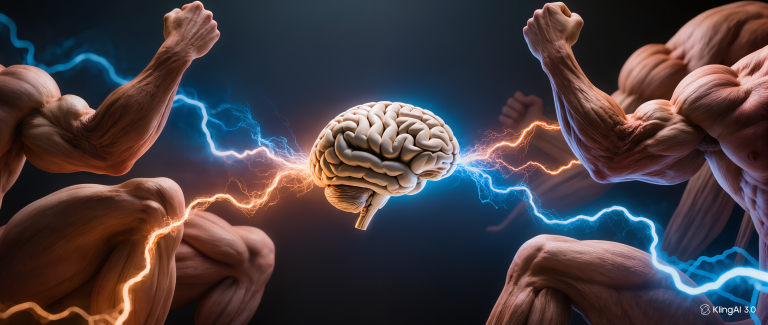
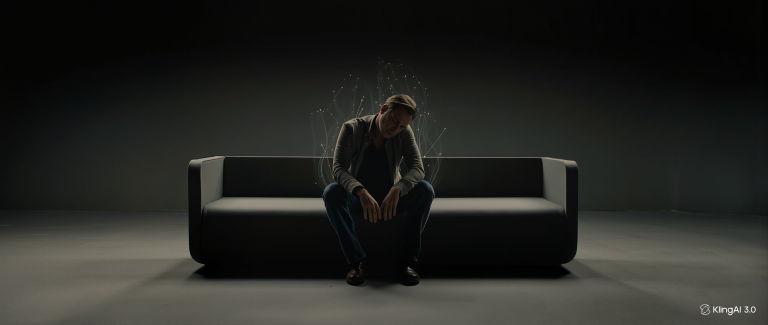
You’re not as sharp as you used to be. Your drive is lower. Recovery takes longer. You’re carrying more body fat despite training. You feel like a dimmer version of yourself — and you can’t quite explain why.
This is what low testosterone feels like. And it’s becoming the default for men in their 30s and 40s.
Here’s the truth: testosterone doesn’t just drop because you age. It drops because of how you live. The modern lifestyle — chronic stress, poor sleep, processed food, sedentary days, constant overstimulation — is one of the most effective testosterone-suppression systems ever created. And most men are running it on autopilot.
The good news? If lifestyle drives it down, lifestyle can bring it back up. You don’t need drugs. You don’t need injections. You need to increase testosterone naturally — and that starts with understanding what’s actually killing it.
What Actually Controls Your Testosterone Levels
Testosterone isn’t a fixed number you’re born with.
It fluctuates daily based on your sleep, stress, food, movement, and recovery. Every single day, your body makes a decision about how much testosterone to produce — and that decision is based almost entirely on the signals you send it through your habits.
Send the right signals, and your body produces more. Send the wrong ones, and it produces less. It’s not complicated. It’s just biology responding to your environment.
Low testosterone symptoms — low libido, brain fog, poor recovery, mood swings, excess body fat — aren’t signs that something is permanently broken. They’re signs that your system is under the wrong kind of pressure.
Fix the pressure. Fix the output.
Factor #1: Sleep Is Your Primary Testosterone Factory
Most of your testosterone is produced while you sleep.
Not while you train. Not while you eat. While you sleep — specifically during deep sleep cycles in the early hours of the night. Men sleeping less than 6 hours show significantly lower testosterone than those sleeping 7–9 hours (University of Chicago Sleep & Testosterone Study).
This is non-negotiable. You cannot out-supplement bad sleep when it comes to testosterone.
What to do:
- Prioritize 7–9 hours every night — not as a luxury, but as performance infrastructure
- Keep a consistent sleep and wake time, even on weekends
- Eliminate light and keep your room cool — your body produces the most testosterone in cool, dark environments
- Cut alcohol. Even moderate drinking suppresses testosterone production and wrecks sleep quality
- Stop screens 60 minutes before bed — the light signals your brain to stay alert, killing your deep sleep cycles
One month of quality sleep alone will move your testosterone in a measurable direction.
Factor #2: Train Like Your Hormones Depend on It — Because They Do
Exercise is one of the most powerful natural testosterone boosters available.
But not all training is equal. Long, slow cardio sessions — especially chronic endurance work — can suppress testosterone over time. What drives testosterone up is resistance training. Heavy compound movements in particular: squats, deadlifts, bench press, rows. These recruit large amounts of muscle, trigger the highest hormonal response, and signal to your body that it needs to produce more. Research consistently shows that resistance training produces acute and sustained increases in testosterone (Journal of Strength and Conditioning Research).
What to do:
- Lift heavy 3–4 times per week, focusing on compound movements
- Keep your sessions between 45–60 minutes — longer sessions drive up cortisol, which suppresses testosterone
- Include progressive overload — gradually increasing weight or volume over time
- Don’t neglect rest days. Testosterone is produced during recovery, not during the workout itself
- If you’re doing cardio, keep it short and intense (sprints, intervals) rather than long and slow
Train hard. Recover harder.
Factor #3: What You Eat Either Builds or Destroys Testosterone
Your hormones are made from the food you eat. Full stop.
Testosterone is a steroid hormone — built from cholesterol and fat. Men who follow extremely low-fat diets consistently show lower testosterone levels. You need dietary fat. The right kinds: saturated fat from animal sources, monounsaturated fat from olive oil and avocados, omega-3s from fatty fish.
Beyond fat, specific micronutrients are directly tied to testosterone production. Zinc is critical — it’s used in the actual synthesis of testosterone, and deficiency will tank your levels. Vitamin D functions more like a hormone than a vitamin, and low levels are strongly associated with low testosterone (Hormone and Metabolic Research).
What to do:
- Eat enough. Chronic caloric restriction suppresses testosterone. Don’t crash diet
- Prioritize protein at every meal: meat, eggs, fish, dairy
- Don’t fear fat. Include eggs, red meat, olive oil, avocados, and whole milk
- Eat zinc-rich foods daily: red meat, oysters, pumpkin seeds, legumes
- Get sunlight or supplement vitamin D — most men in modern life are deficient
- Cut processed food, refined sugar, and seed oils. These drive inflammation, which suppresses testosterone
Food is information. Send your body the right message.
Factor #4: Chronic Stress Is a Testosterone Killer
When your body is under stress, it produces cortisol.
Cortisol and testosterone have an inverse relationship — when one goes up, the other goes down. This made perfect sense in evolutionary terms. If you’re running from a predator, reproduction is irrelevant. Survival takes priority.
The problem is your body can’t tell the difference between a life-threatening emergency and a bad day at work. Chronic low-grade stress — financial pressure, relationship tension, overwork, sleep deprivation, overtraining — keeps cortisol elevated around the clock. And chronically high cortisol means chronically suppressed testosterone (Psychoneuroendocrinology Journal).
You cannot boost testosterone naturally without managing stress. It’s not optional.
What to do:
- Build a daily stress outlet that actually works for you: walks, breathwork, cold exposure, journaling, training
- Stop glorifying overwork. Being chronically busy and tired is not ambition — it’s testosterone suppression
- Learn to separate yourself from your phone. Constant connectivity keeps your nervous system in a low-level stress state all day
- Protect your sleep as a non-negotiable stress management tool
Less chronic stress equals more testosterone. The math is simple.
Factor #5: Body Fat Is an Estrogen Factory
This one surprises a lot of men.
Fat tissue — especially belly fat — contains an enzyme called aromatase. Aromatase converts testosterone into estrogen. The more body fat you carry, the more testosterone you’re converting into the wrong hormone. This creates a vicious cycle: lower testosterone leads to more fat gain, which leads to even lower testosterone (Journal of Clinical Endocrinology & Metabolism).
Getting leaner is one of the most direct ways to raise your testosterone naturally — not through extreme dieting, but through consistent training, clean eating, and better sleep.
What to do:
- Focus on building muscle, not just losing fat — muscle is metabolically active and supports testosterone
- Don’t crash diet. Eat in a moderate deficit if needed, but keep protein high
- Train consistently. The combination of resistance training and a clean diet shifts body composition faster than either alone
Common Mistakes Men Make When Trying to Boost Testosterone
Buying supplements before fixing their lifestyle. No testosterone booster overcomes bad sleep, poor diet, and chronic stress. Fix the foundation first.
Overtraining. More is not better. Training twice a day or seven days a week drives cortisol through the roof and tanks recovery. Intensity with adequate rest beats volume every time.
Eating low-fat “clean” diets. Chicken breast and broccoli every meal sounds healthy. But if you’re chronically low on fat and calories, your testosterone will reflect that.
Ignoring alcohol. Even a few drinks a week disrupts sleep and suppresses testosterone production. If you’re serious about your levels, alcohol has to be an honest conversation.
Expecting quick results without consistent habits. Testosterone responds to sustained signals over weeks and months — not one good week followed by a bad one.
Your Daily Testosterone Protocol
Morning:
- Wake at a consistent time
- Get 10–15 minutes of natural sunlight — triggers vitamin D production and sets your hormone rhythm for the day
- Eat a protein and fat-forward breakfast: eggs, meat, whole foods
Training (3–4x per week):
- Heavy compound lifts, 45–60 minutes
- Progressive overload over time
- Full rest days between sessions
Nutrition (daily):
- High protein at every meal
- Include dietary fat — don’t fear it
- Zinc-rich foods daily
- Cut sugar, alcohol, and processed food
Evening:
- Wind down early — testosterone is built in deep sleep
- No alcohol
- Screens off 60 minutes before bed
- In bed at a consistent time
Stress management (daily):
- One deliberate recovery practice — walk, breathwork, cold shower, whatever works
- Protect your energy and your time
Where Natural Supplementation Fits In
Once your lifestyle foundation is solid, targeted supplementation can support your body’s natural testosterone production.
Certain ingredients — ashwagandha, zinc, vitamin D3, magnesium, and herbs like tongkat ali — have genuine evidence behind them for supporting hormonal health in men. They work best when your sleep, training, nutrition, and stress are already in order. Think of them as amplifiers, not replacements.
At Halixera, we formulate specifically for men who want clean hormonal support without synthetic shortcuts. If you’re ready to go further, explore our range.
Final Word
Your testosterone levels are not locked in. They are a direct reflection of how you live.
Sleep more. Train smarter. Eat real food. Manage your stress. Get lean. Stay consistent.
That’s the protocol. It’s not glamorous. But it works — and it works without drugs, without injections, and without compromising your long-term health.
Start treating your testosterone like the performance asset it is. Because when your levels are where they should be, everything else follows: the energy, the focus, the drive, the body composition, the confidence.
You’re not supposed to feel like a dimmer version of yourself.
Fix the habits. Get your levels back.