There is a moment — right before you turn the dial to cold — where every part of your brain screams at you to stop.
Your hand hesitates. Your body tenses. Your mind generates a dozen perfectly reasonable excuses for why today is not the day. And then you do it anyway — and 30 seconds later, something shifts. Your breath sharpens. Your mind clears. The noise of the morning falls away and you are completely, undeniably present.
That is not just discomfort. That is your nervous system being reset.
Cold shower benefits are not hype, and they are not placebo. The physiological response to cold water immersion is one of the most well-documented and accessible performance tools available — used by elite athletes, high-performance executives, and a Dutch man who ran a half marathon barefoot in the Arctic and holds 26 world records in cold exposure. The question isn’t whether cold therapy works. The question is whether you’re using it, and whether you’re using it correctly.
The Man Who Made Cold Exposure Impossible to Ignore
No conversation about cold exposure is complete without Wim Hof.
Wim Hof — nicknamed “The Iceman” — is a Dutch athlete and extreme cold endurance specialist who has spent decades pushing the boundaries of what human physiology was believed capable of. He has climbed Mount Everest in shorts. He has run a full marathon above the Arctic Circle barefoot and shirtless. He has stood submerged in ice water for nearly two hours. He holds 26 Guinness World Records related to cold exposure.
What makes Hof more than a circus act is what happened when scientists decided to study him.
In a landmark study at Radboud University in the Netherlands, Wim Hof and a group of people he had trained were injected with bacterial endotoxin — a substance that reliably produces flu-like symptoms in healthy adults. The trained group, using Hof’s breathing and cold exposure techniques, produced significantly fewer inflammatory cytokines and reported far milder symptoms than the control group (PNAS — Wim Hof Method Study).
This was groundbreaking. It demonstrated for the first time that humans could voluntarily influence their autonomic nervous system and innate immune response — something previously thought impossible. The scientific community took notice. Cold exposure research accelerated. And millions of men around the world started turning their showers cold.
Wim Hof’s contribution is not the cold alone. It is the combination of cold exposure with deliberate breathing techniques — what has become known as the Wim Hof Method.
The Wim Hof Method: What It Is and How It Works
The Wim Hof Method has three pillars: cold exposure, breathing, and commitment (mindset). The breathing component is what distinguishes it from simply taking cold showers — and it is what produces the most dramatic physiological effects.
The Wim Hof Breathing Technique:
The breathing practice involves cycles of controlled hyperventilation followed by breath retention. The basic structure is:
- Take 30–40 deep, powerful breaths — inhaling fully through the nose or mouth, exhaling without forcing
- After the last exhale, hold your breath on empty lungs for as long as comfortable
- When you feel the urge to breathe, take one deep recovery breath and hold it for 15 seconds, then release
- This constitutes one round. Typically 3–4 rounds are performed
The physiological effects are significant. The hyperventilation phase floods your blood with oxygen while rapidly expelling CO2 — producing a temporary state of altered blood chemistry that creates tingling sensations, lightheadedness, and a feeling of energy and clarity. Adrenaline is released. The body’s stress response activates in a controlled, deliberate way.
The breath retention phase — holding on empty lungs — trains your body’s tolerance to CO2 buildup and hypoxic conditions, building respiratory resilience over time.
The combined effect is a powerful activation of the sympathetic nervous system followed by a deep parasympathetic recovery — essentially a controlled stress and recovery cycle performed entirely through breathing. When combined with cold exposure, the effects on alertness, energy, and stress resilience are amplified significantly.
One critical safety rule — the most important thing in this article:
Never perform Wim Hof breathing or any hyperventilation technique in or near water. The breath retention phase can cause loss of consciousness without warning. People have drowned in baths, pools, and open water performing this technique unsafely. Do your breathwork on dry land — lying down or sitting — and only enter cold water afterward, breathing normally. This is non-negotiable.
What Cold Does to Your Body in the First 30 Seconds
The moment cold water hits your skin, your body initiates an immediate physiological cascade.
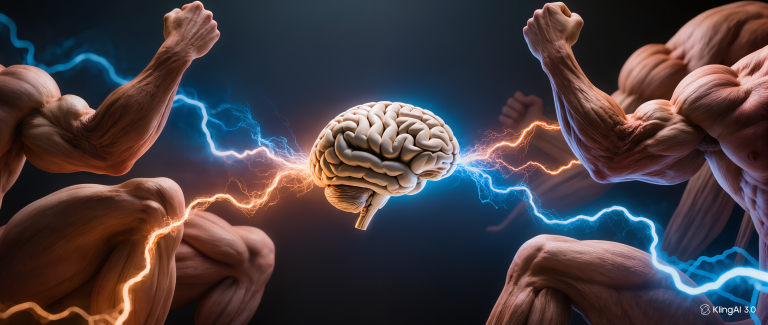
Peripheral blood vessels constrict, redirecting blood toward your vital organs. Heart rate spikes. Breathing becomes fast and shallow. Adrenaline surges. And your brain — responding to what it perceives as a genuine threat — fires with a level of alertness that caffeine simply cannot replicate.
This is your sympathetic nervous system activating at full force. Uncomfortable? Yes. Powerful? Completely. And when used deliberately and consistently, this response becomes one of the most effective tools for building mental clarity, physical recovery, and stress resilience available.
The key distinction Wim Hof himself emphasizes repeatedly: cold exposure is not about enduring suffering. It is about staying calm within discomfort. That distinction — calm within discomfort — is where the real training happens.
How Cold Exposure Affects Your Brain Chemistry
The neurochemistry behind cold exposure is where the science gets compelling.
A single cold shower session produces a significant and sustained increase in norepinephrine — the neurotransmitter directly responsible for alertness, focus, attention, and mood. Research has documented norepinephrine increases of up to 300% following cold exposure, with effects lasting several hours after the session (New England Journal of Medicine — Cold Exposure and Catecholamines).
Simultaneously, cold exposure produces a meaningful and sustained dopamine release — rising slowly and remaining elevated for hours, producing clean motivation and wellbeing without the spike-and-crash pattern of digital stimulation (Psychiatric Research — Cold and Dopamine).
When combined with Wim Hof breathing, the adrenaline release during the breathwork compounds these neurochemical effects. The result is a state of focused, energized clarity that practitioners describe as one of the most effective natural performance states they have access to — without any external substance.
This is why men who practice cold exposure consistently — with or without the full Wim Hof method — report feeling more alert, more motivated, more even-keeled, and less dependent on caffeine throughout the day. The neurochemistry is real. The benefits accumulate.
Cold Therapy and the Nervous System: Building Stress Resilience
Beyond the immediate chemical response, consistent cold exposure produces a deeper and more valuable adaptation — a recalibration of your stress response system.
Every time you enter cold water and choose to stay calm, you are training your prefrontal cortex to override your primitive threat response. You are proving to your nervous system that discomfort does not require panic. That you can experience something genuinely difficult and remain in control.
This is the core of what Wim Hof teaches — and what the research supports. The autonomic nervous system, previously believed to be entirely involuntary, can be trained through deliberate cold exposure and breathing practice. Men who do this consistently show measurably different stress hormone profiles, faster recovery from acute psychological stress, and better emotional regulation under pressure (Psychosomatic Medicine — Cold Exposure and Stress Response).
The man who can step into cold water, breathe slowly, and stay calm is training the same capacity that allows him to stay composed in a difficult meeting, a hard conversation, or a high-pressure situation. The domain changes. The nervous system response is identical.
Cold Exposure and Physical Recovery
Elite athletes have used cold water immersion as a standard recovery protocol for decades — and the evidence is substantial.
Hard training produces inflammation in muscle tissue. This is a normal part of adaptation — but excessive inflammation slows recovery, increases soreness, and delays your ability to train again at full capacity. Cold water immersion at 10–15°C constricts blood vessels, reduces the acute inflammatory response, accelerates clearance of metabolic waste, and reduces the duration and severity of delayed onset muscle soreness (Journal of Physiology — Cold Water Immersion and Recovery).
One important nuance: inflammation is also part of the anabolic signaling process that drives muscle growth. Cold immersion immediately after training may blunt hypertrophy adaptations in men whose primary goal is building maximum muscle size. The practical solution is straightforward — use cold therapy on recovery days or at least 4–6 hours after training sessions. For energy, resilience, and general recovery, the benefits are clear regardless of timing.
Beginner Cold Shower Protocol
The most common mistake is going too cold, too fast, and quitting. Cold exposure is a skill requiring progressive exposure — not just willpower.
Week 1 — Introduction:
- End every shower with 30 seconds of cold water
- Focus entirely on slow, controlled exhales — this is the skill. The cold is the context
- Don’t tense. Relaxing into discomfort is what trains your nervous system
- 30 seconds, every day. Nothing more this week
Week 2 — Extension:
- Increase to 60–90 seconds of cold at the end of your shower
- Notice the shift around 20–30 seconds in — the moment the initial shock subsides
- That transition is the adaptation. That is what you’re training
Week 3 onwards — Full cold shower:
- Begin the entire shower cold, or extend your cold finish to 2–3 minutes
- Morning is optimal for energy and focus — the norepinephrine release primes your cognitive performance for the day
- End cold, always. Switching back to warm eliminates most of the neurochemical benefit
Temperature guidance:
- Standard household cold water (15–20°C) is sufficient for neurological and energy benefits
- For maximum recovery benefits, target 10–15°C
- You do not need ice. You need cold and consistency
Adding the Wim Hof Breathing Practice
Once your cold shower habit is established — typically after 2–3 weeks — you can add the breathing component for amplified effects.
The basic Wim Hof breathing protocol:
- Sit or lie down comfortably on a flat surface — never near water
- Take 30–40 deep, powerful breaths: full inhale through nose or mouth, passive exhale without forcing
- After the final exhale, hold your breath on empty lungs for as long as comfortable — typically 1–2 minutes for beginners
- When the urge to breathe becomes strong, take one deep recovery breath, hold for 15 seconds, then release
- This is one round. Perform 3–4 rounds
What to expect:
- Tingling in hands, feet, and face — normal, caused by CO2 reduction
- Lightheadedness — normal, subside quickly after breathwork ends
- A feeling of warmth, energy, and heightened clarity following the session
Then take your cold shower — with normal breathing only. Never combined breath retention with water immersion.
Start with one round of breathing before your cold shower. Add rounds progressively as you become comfortable with the practice. Most men find 3 rounds takes 10–15 minutes and produces a significant shift in their mental state and energy for the day.
Ice Bath Protocol for Recovery
For men who want to go further with cold immersion for physical recovery:
Setup:
- Fill a bath with cold water and add ice to reach 10–15°C
- A thermometer is worth the investment — temperature precision matters
- Many performance gyms now offer cold plunge pools as an alternative
Duration:
- 5–10 minutes at 10–15°C is the evidence-supported window
- Below 10°C — reduce duration significantly
- Above 15°C — extend to 10–15 minutes
When to use it:
- Within 1–4 hours after high-intensity training for recovery acceleration
- On rest days for systemic inflammation management and energy benefits
- Not immediately before training — reduces acute inflammatory priming
During the immersion:
- Control breathing from the first second — slow exhales, settle into nasal breathing
- Keep still — movement increases cold sensation
- Focus on one thing: staying calm
Common Mistakes Beginners Make
Gasping and hyperventilating in the water. Breath control is everything. Gasping keeps your sympathetic system at maximum activation and prevents the adaptation you’re training for. Slow exhales first, every time.
Performing breathwork in or near water. This cannot be overstated. The Wim Hof breathing technique can cause sudden loss of consciousness. On dry land only — always.
Going too extreme too fast. Starting with full ice baths in week one is how most men quit. Progressive exposure produces better adaptation and sustainable habit formation.
Ending on warm. Switching back to warm at the end eliminates the neurochemical benefit. End cold. Always.
Using cold to replace sleep. Cold exposure is a powerful recovery amplifier. It is not a substitute for adequate sleep. Cold plus sleep is a system. Cold instead of sleep is managed decline.
Inconsistency. Like training, cold exposure benefits compound with daily practice. Two cold showers per week produce modest results. Daily practice produces the sustained neurochemical adaptations that change your baseline energy and resilience.
Your Simple Cold Exposure Weekly Structure
Daily (every morning):
- Optional: 3–4 rounds of Wim Hof breathing on dry land — 10–15 minutes
- 2–3 minutes of cold shower immediately after
- End cold, breathe normally throughout immersion
Post-training (on high intensity days):
- Cold shower or cold bath within 1–4 hours of session
- 5–10 minutes at 10–15°C for full immersion
- Normal breathing only during immersion
Recovery days:
- Full cold shower for neurological and energy benefits
- Optional cold immersion for systemic inflammation management
Where Natural Supplementation Complements Cold Exposure
Cold exposure initiates powerful physiological responses — and certain natural compounds support and extend those effects.
Magnesium glycinate taken in the evening supports the muscular recovery and nervous system regulation that cold therapy initiates. Omega-3 fatty acids work synergistically with cold exposure to manage systemic inflammation — particularly valuable for men with high training loads. Ashwagandha supports the cortisol regulation and stress resilience that consistent cold exposure builds over time, amplifying the adaptogenic benefits.
At Halixera, our recovery formulations are designed to complement the physical and neurological work that practices like cold exposure produce. Explore our range when your habits are in place.
Final Word
Wim Hof did not discover something new. He rediscovered something ancient — the human body’s extraordinary capacity to adapt, perform, and recover when given the right stimulus and the right mindset.
Cold exposure is one of the few biohacking tools with legitimate science, zero cost, and immediate results. It sharpens your mind, elevates your mood, accelerates your recovery, and builds the stress resilience that no supplement or productivity app can replicate.
The Wim Hof Method takes that foundation and adds a deliberate breathing practice that amplifies every benefit — neurochemical, physiological, and psychological.
The barrier is not the cold. The barrier is the moment before you turn the dial. That moment — the hesitation, the resistance, the urge to stay comfortable — is exactly what you’re training yourself to overcome. Every morning. Deliberately. On purpose.
Turn it cold. Breathe. Stay calm.
Everything else gets easier from there.